Your heart is racing, palms sweating, and thoughts spiralling out of control, desperately searching for how to calm down right then and there?
Here’s the thing: breathing exercises are the number one and most effective anxiety relaxation techniques for reducing anger and anxiety quickly. In fact, you don’t need hours for effective stress management. Studies show that even five minutes can help reset your nervous system and improve your mood.
Whether you’re dealing with a panic attack, work stress, or overwhelming anxiety symptoms, we’ve compiled research-backed techniques for anxiety that work in minutes. From instant breathing exercises to 5-minute deep relaxation methods, you’ll discover quick calming exercises that provide real relief when you need it most.
Ready to learn ways to relax and calm anxiety fast? Let’s dive in.
Table of Contents
Why Quick Calming Techniques Work: The Science Behind Instant Relief
Understanding Your Body’s Stress Response
When stressors disrupt your body’s balance, two systems activate simultaneously. The sympathetic-adreno-medullar (SAM) axis triggers an immediate response, flooding your bloodstream with epinephrine and norepinephrine. Correspondingly, the hypothalamic-pituitary-adrenal (HPA) axis initiates a slower hormonal cascade that releases stress hormones including cortisol.
Your sympathetic nervous system acts like a gas pedal, pushing your body into high alert. Heart rate accelerates, blood pressure rises, muscles tense, and breathing becomes shallow. During this fight-or-flight state, your body redirects energy from non-essential functions like digestion to prepare for immediate action. While adaptive for actual threats, this response activates just as intensely when you face non-life-threatening stressors like work presentations or traffic jams.
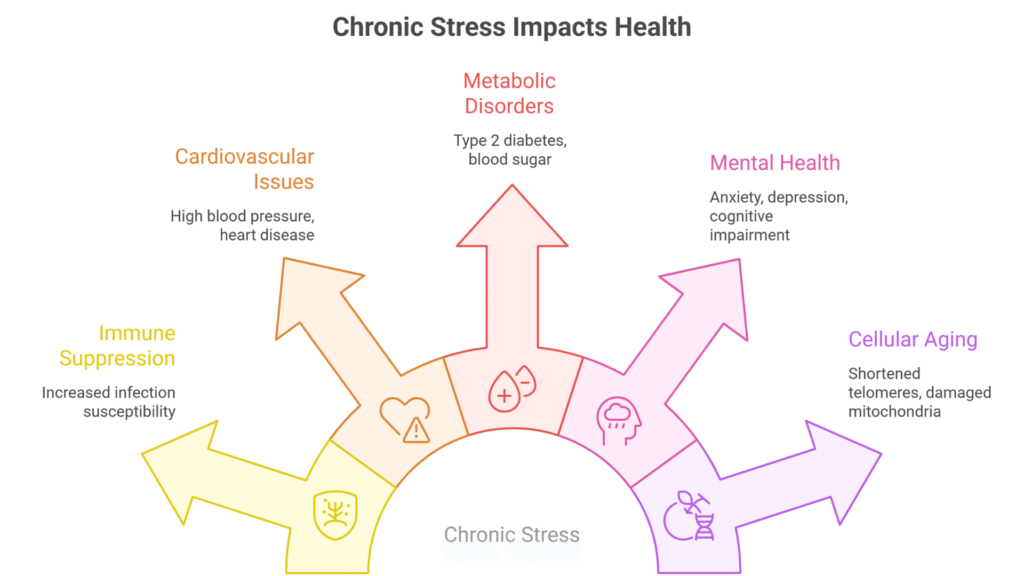
Chronic activation takes a serious toll on mental health and physical wellbeing. Prolonged stress hormones elevation suppresses immune function, increases infection susceptibility, and delays wound healing. Research links sustained stress effects to high blood pressure, heart disease, type 2 diabetes, anxiety, depression, chronic pain, and cognitive impairment[2]. Specifically, chronic stress shortens telomeres at chromosome tips and damages mitochondria, accelerating cellular aging. These stress effects can also impact blood sugar levels and overall integrative health.
How Fast-Acting Methods Reset Your Nervous System
Quick anxiety relaxation techniques work by activating your parasympathetic nervous system, the “rest and digest” branch that counterbalances stress responses. This system functions primarily through the vagus nerve, sending signals that reduce heart rate, lower blood pressure, and promote mental relaxation.
Deep breathing exercises stimulate the vagus nerve by slowing your breathing rate and increasing vagal input to the brain. This triggers downregulation, telling your brain to reduce sympathetic arousal. Meditation, gentle massage, and cold exposure similarly activate vagus nerve pathways, inhibiting the stress response. The parasympathetic system essentially applies the brakes, allowing your body to shift from crisis mode to recovery and restore emotional balance.
Research-Backed Benefits of Rapid Calming Strategies
The evidence supporting quick anxiety management strategies is substantial. A meta-analysis of 65 randomized controlled trials involving 8,009 participants found relaxation exercises highly effective in treating anxiety, with a pooled effect size of -0.54. These methods proved moderately effective in reducing emotional discomfort and distress (effect size -0.48).
Progressive muscle relaxation, breathing exercises, and guided imagery all produced statistically significant increases in relaxation states compared to control groups. According to the research, progressive muscle relaxation demonstrated effect sizes ranging from 0.29 to 4.57 for stress reduction. Deep breathing interventions showed greater reductions in state anxiety, heart rate, and stress hormones compared with control conditions. Face-to-face delivered techniques yielded higher effectiveness (effect size -0.47) than online delivery for anxiety reduction.
How to Calm Down Fast (Under 1 Minute)
Deep Breathing to Calm Anxiety Immediately
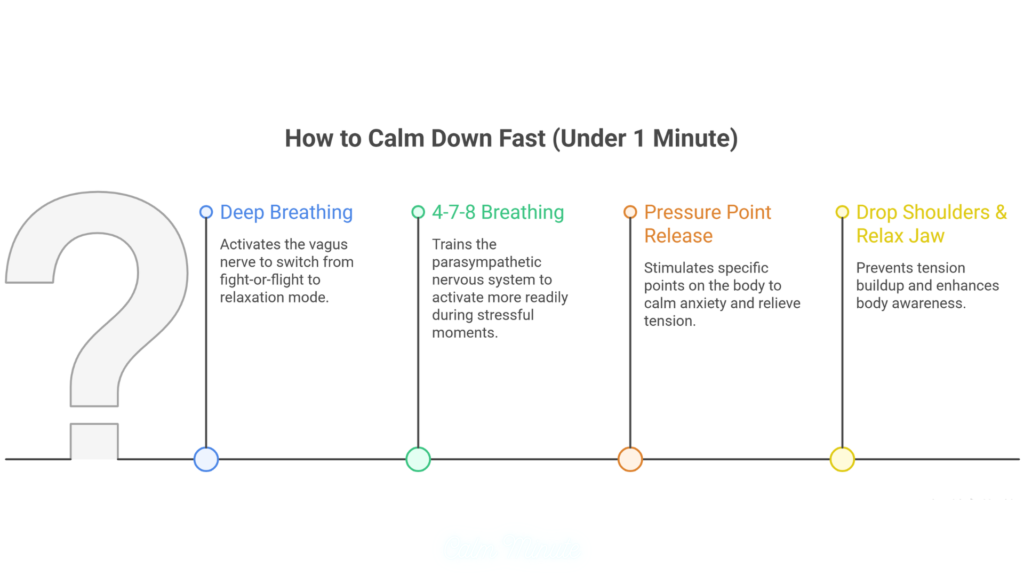
Belly breathing activates your vagus nerve, signaling your body to switch from fight-or-flight to relaxation mode. Place one hand on your chest and another on your belly. Inhale slowly through your nose, allowing your stomach to expand while keeping your chest relatively still. Exhale gently through your mouth. This simple shift from chest to diaphragmatic breathing can reduce your heart rate, lower your breathing rate, and decrease blood pressure within minutes.
For instant relief, try taking three slow, controlled deep belly breaths whenever stress hits. These breathing exercises interrupt your fight-or-flight response and put it on pause, buffering your resistance to stress triggers over time while promoting body awareness.
The 4-7-8 Breathing Method
Developed by Dr. Andrew Weil, this breathing exercise has ancient roots in yogic pranayama practices. The pattern is straightforward: inhale through your nose for 4 seconds, hold your breath for 7 counts, then exhale through your mouth for 8 seconds. Position your tongue against the roof of your mouth behind your front teeth throughout the exercise.
Start with four cycles when learning this method. You might feel lightheaded initially, but this passes as your body adjusts to the slower breathing rate. Practice twice daily to train your parasympathetic nervous system to activate more readily during stressful moments and improve your overall anxiety management.
Pressure Point Release for Quick Relief
Acupressure offers accessible relief by stimulating specific points on your body. The Yintang point between your eyebrows calms anxiety and clears mental fog. Apply gentle, steady pressure with your index finger for 1-2 minutes while practicing breathing exercises.
The LI4 point in the webbing between your thumb and index finger releases physical tension and relieves headaches. Press firmly for 4-5 seconds while taking slow breaths. The PC6 point, located three finger-widths below your wrist between the tendons, settles your mind and reduces anxiety symptoms.
Drop Your Shoulders and Relax Your Jaw
Physical tension accumulates in your shoulders and jaw without conscious awareness. Set reminders throughout your day to check these areas and enhance body awareness. Drop your shoulders away from your ears, rolling them back gently. Unclench your jaw by slightly parting your teeth and relaxing your facial muscles. This small act of awareness prevents tension from building and compounds the effects of other calming exercises.
Effective 2-3 Minute Calming Strategies
Progressive Muscle Relaxation Technique
Progressive muscle relaxation exercises train your body to recognize and release physical tension. Tense one muscle group for 5 seconds while breathing in, then release completely for 10-20 seconds to achieve physical relaxation. Start with your hands, gradually working through arms, shoulders, face, chest, and legs. The theory behind this method is straightforward: you cannot experience relaxation and anxiety simultaneously. With consistent practice, you’ll identify physical tension early and activate relaxation on demand. This autogenic relaxation approach is one of the most effective stress busters available.
Grounding Exercises to Stop Anxiety
The 5-4-3-2-1 technique anchors you in the present moment by engaging all five senses and promoting body awareness. Identify 5 things you see, 4 things you feel, 3 sounds you hear, 2 scents you smell, and 1 thing you taste. This sensory engagement interrupts anxious thought patterns by redirecting focus outward. Practice slowly and deliberately when time permits in a peaceful setting, or run through quickly when you need immediate relief from emotional discomfort.
Challenge Your Anxious Thoughts
Cognitive reframing helps you step back from distorted thinking and restore emotional balance. Use the “catch it, check it, change it” approach. Notice the anxious thought, examine evidence supporting it, then reframe with a balanced perspective. Instead of “This will be a disaster,” try “I’ve prepared and handled difficult situations before.” This mental relaxation technique is essential for effective anxiety management.
Simple Stretches to Release Tension
Hold each stretch for 15-30 seconds to release physical tension and promote physical relaxation. Neck rolls, shoulder shrugs, and seated spinal twists increase circulation and oxygen while lowering heart rate. Stretching relaxes contracted muscles, sending relaxation signals to your brain. For additional benefits, consider incorporating gentle tai chi movements or other forms of physical exercise into your routine.
Get Fresh Air and Change Your Environment
Spending at least 20-30 minutes in nature significantly drops stress hormones levels. Even brief outdoor exposure helps create a calming environment. Step outside, feel sunlight on your face, or simply gaze out a window at natural scenery. Creating a peaceful setting can enhance the effectiveness of all relaxation exercises.
5-Minute Deep Relaxation Methods for Lasting Calm
Guided Imagery and Visualization
Close your eyes and transport yourself to a peaceful beach or forest using visualization techniques. Guided imagery uses visual imagery and mental imagery to activate relaxation responses in your brain and body. Picture every detail: warm sun on your skin, ocean sounds, the scent of tropical flowers. Your brain processes visualized imagery similarly to real experiences, triggering physiological relaxation. A 2018 study showed nature-based guided imagery significantly improved anxiety levels compared to non-nature imagery, making it one of the most effective ways to relax.
Calming Music and Sound Therapy
Music listening reduces anxiety as effectively as anti-anxiety medications in some cases. The song “Weightless” by Marconi Union decreased anxiety by 65% in research trials. The track starts at 60 BPM, matching your resting heart rate, then slows to 50 BPM to guide your body into deeper calm. Sound baths using Tibetan singing bowls significantly reduced tension, anger, and fatigue in participants. Hydrotherapy combined with calming music can further enhance relaxation in a peaceful setting.
Physical Movement to Release Stress
Physical exercise decreases muscle tension and increases anti-anxiety neurochemicals including serotonin, GABA, and endorphins. Even a single 10-minute walk lifts your mood. Physical activity lowers stress hormones levels and improves sleep quality. Try gentle yoga flows, tai chi, mindful walking, or brief dance breaks to discharge stress and promote both mental and physical relaxation.
Mindfulness Meditation for Anxiety
A Georgetown University Medical Center study found guided meditation as effective as common antidepressants for treating anxiety disorders. Mindfulness calms your nervous system and reduces stress hormones. For a 5-minute practice: sit upright in a calming environment, breathe into your abdomen, relax from head to toes, then focus on your breath. Regular practice trains your mind to stay calm and enhances body awareness. Many mental health apps and wellbeing apps now offer guided meditation sessions for convenient practice.
Using Aromatherapy for Quick Relief
Inhalation aromatherapy with lavender and chamomile essential oils significantly decreased anxiety in research participants. Essential oils affect your hypothalamus and autonomic nervous system, regulating blood pressure and respiration to reduce anxiety symptoms. Bergamot showed the strongest effects for reducing state anxiety. Inhale directly from the bottle or use a diffuser for quick relief and to create a calming environment.
Connecting with Support Systems
Social support is essential for maintaining mental and physical health. Strong social connections reduce stress reactivity, including lowered heart rate and blood pressure during stressors. Social support moderates stress responses through effects on the HPA system and oxytocin pathways. Reach out to friends, family, or support groups when anxiety strikes. If anxiety symptoms persist, consider consulting mental health professionals or healthcare professionals for additional guidance. Providing support to others may be even more beneficial than receiving it. Additionally, exploring complementary approaches like art therapy, journaling, or biofeedback with qualified mental health professionals can enhance your overall stress management toolkit.

Conclusion
You now have proven anxiety relaxation techniques to calm down quickly whenever stress or anxiety strikes. Breathing exercises remain your most powerful tool, but you’ve also discovered pressure points, grounding exercises, and progressive muscle relaxation that work in minutes.
The key is consistency in practicing these relaxation exercises. Practice these stress management methods regularly, not just during crisis moments. Your nervous system learns to activate the relaxation response faster with repetition. Start with one or two techniques for anxiety that resonate most, then gradually expand your calming toolkit. Remember, even five minutes can reset your entire system and shift your mood significantly. For personalized guidance on anxiety management and mental health, consider consulting healthcare professionals or mental health professionals who can recommend additional ways to relax, including maintaining a healthy diet to support stable blood sugar levels and overall wellbeing.
What is the fastest way to calm down when feeling anxious?
Deep breathing exercises are the most effective anxiety relaxation techniques for immediate relief. Try belly breathing by inhaling slowly through your nose, allowing your stomach to expand, then exhaling gently through your mouth. This activates your vagus nerve and signals your body to switch from fight-or-flight mode to relaxation, often reducing heart rate, breathing rate, and blood pressure within minutes.
How does the 4-7-8 breathing technique work?
The 4-7-8 breathing method involves inhaling through your nose for 4 seconds, holding your breath for 7 seconds, and exhaling through your mouth for 8 seconds. Position your tongue against the roof of your mouth behind your front teeth throughout the exercise. Start with four cycles, and practice twice daily to train your nervous system to activate relaxation more readily during stressful moments and improve overall anxiety management.
What is the 5-4-3-2-1 grounding technique for anxiety?
The 5-4-3-2-1 method is a grounding exercise that anchors you in the present moment by engaging all five senses and promoting body awareness. Identify 5 things you can see, 4 things you can feel or touch, 3 sounds you can hear, 2 scents you can smell, and 1 thing you can taste. This sensory engagement interrupts anxious thought patterns by redirecting your focus outward and away from distressing thoughts, helping restore emotional balance.
Can you really calm down in just one minute?
Yes, several calming exercises work in under one minute. Deep belly breathing exercises, the 4-7-8 breathing method, pressure point release, and simply dropping your shoulders while relaxing your jaw can all provide quick relief from physical tension. These methods work by activating your parasympathetic nervous system, which counterbalances your stress response and helps your body shift from crisis mode to recovery.
Why do quick calming techniques actually work?
Quick anxiety relaxation techniques activate your parasympathetic nervous system, which counterbalances stress responses. Methods like breathing exercises stimulate the vagus nerve, sending signals that reduce heart rate and lower blood pressure. Research shows that even five minutes of these relaxation exercises can reset your nervous system, with studies demonstrating significant reductions in anxiety symptoms, heart rate, and stress hormones levels compared to control groups, making them essential stress management tools.